Are you a professional? B2B Customer Area

Should we talk?

Give us a little time—we don’t use bots.

Monday through Friday
From 9 a.m. to 6 p.m.

Where to Install a Window with a Graphic on the Inside When There's No View

A false compact exterior view requires scale and proportion

A window with a graphic should not be chosen solely for its appearance or decorative effect.

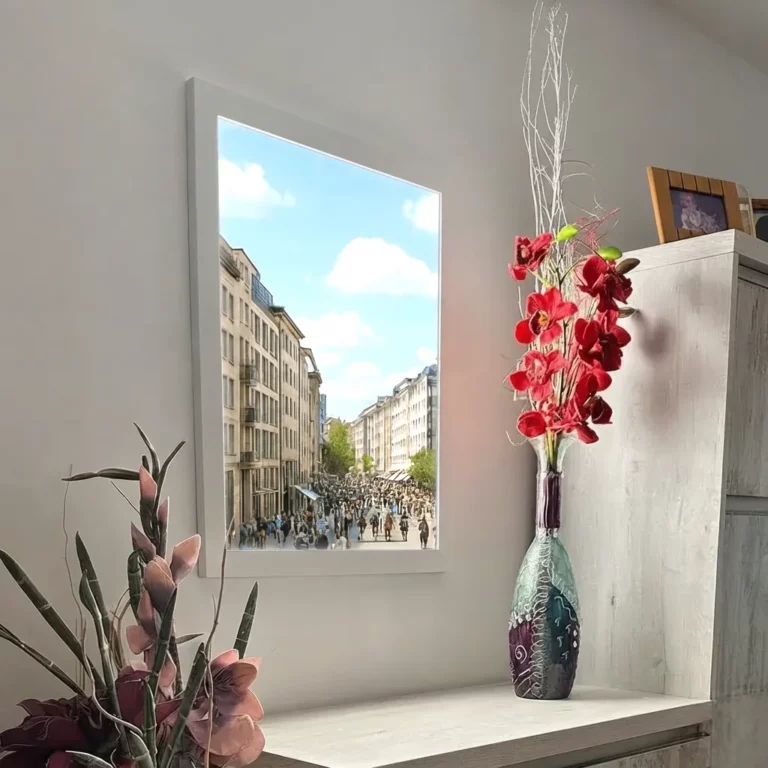
When installing it, you should assess whether the space allows for the integration of a compact false opening in a way that looks believable, is proportionate, and fits in with the surroundings.

Not every interior needs a large window, a balcony, or a statement piece. In small areas, on small walls, or in spaces where a subtle visual accent is desired, the Graphic Window allows you to create a decorative faux exterior view without taking up too much attention.

The key is to install it where its size adds real value: small interior walls, hallways, consultation rooms, compact waiting rooms, bedrooms, smaller-scale wellness spaces, corners without a view, or areas where a backlit image can enhance the perception of the surroundings.

Do you have an interior wall where you could incorporate a compact false exterior wall?

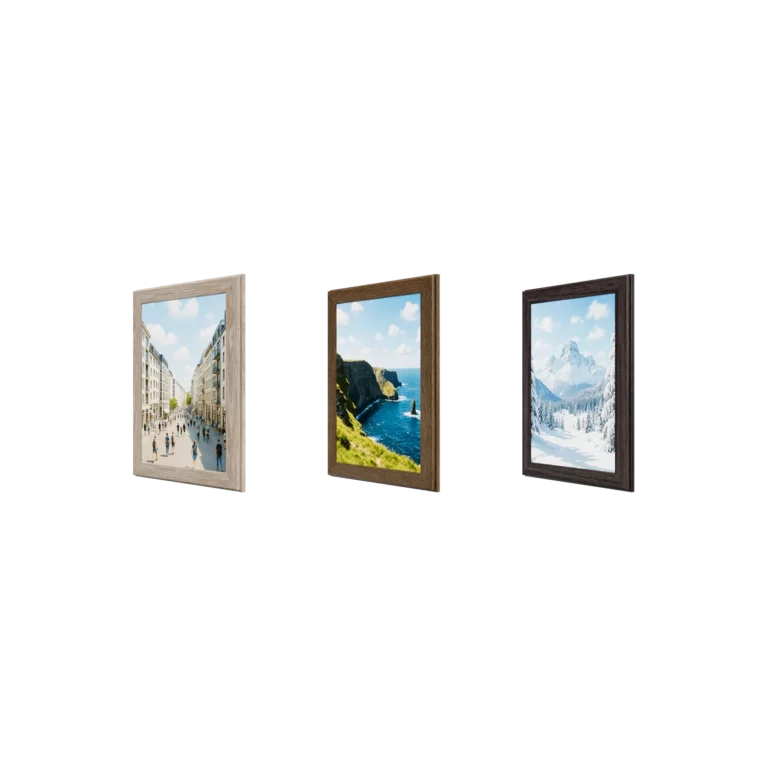
Customize your window with a diagram and choose the image, frame finish, and accessories based on the project’s requirements.

Interior walls and specific areas

One of the best places to install a window with a graphic is on a clean interior wall that has no actual opening to the outside and enough space to accommodate a compact unit.

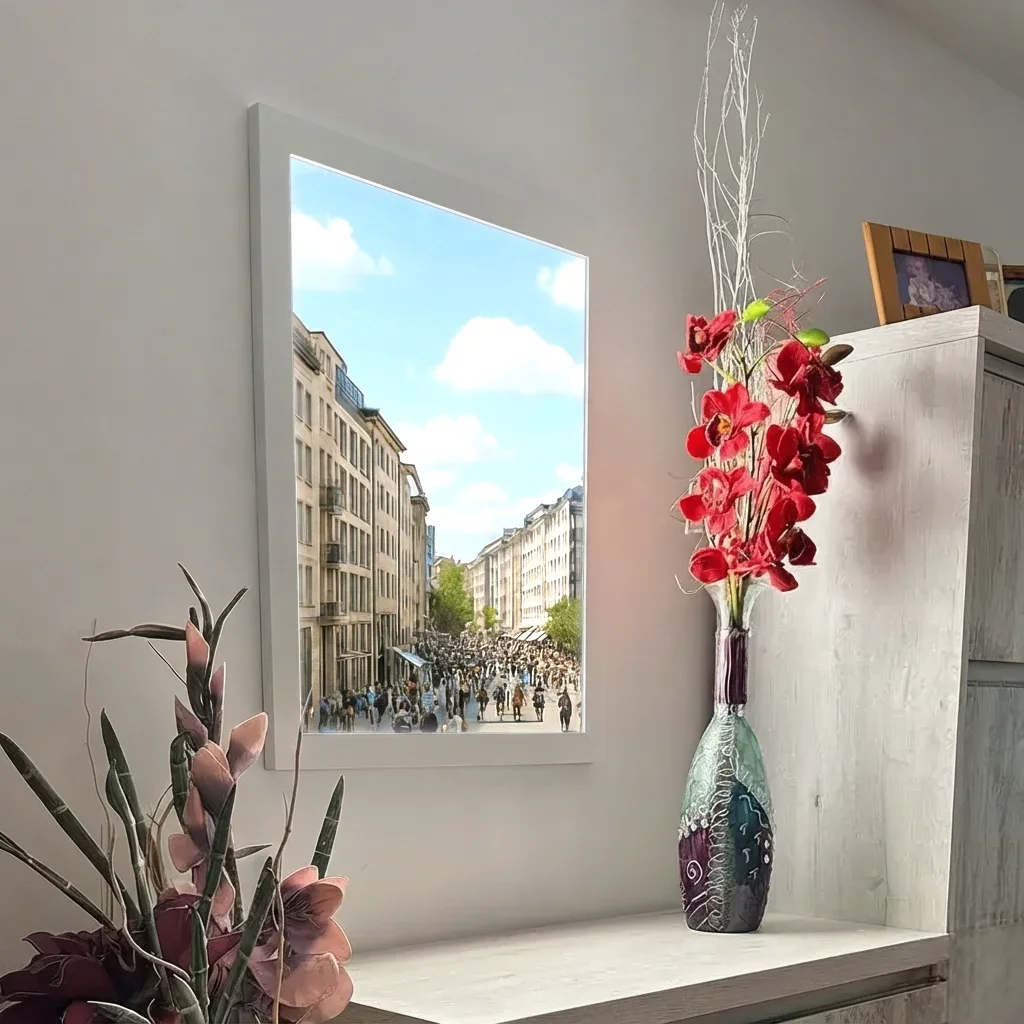
On these types of surfaces, the window can serve as a simulated visual opening. The backlit graphic helps break up the feeling of a solid wall and provides a more pleasant visual reference, such as a landscape, depth, or an outdoor scene.

It is especially recommended when you are looking for:

  • Transforming a Small Interior Wall
  • Create a fake exterior view
  • Add visual depth
  • Improving the Perception of Space
  • Add a backlit decorative image
  • Create a discreet focal point
  • Integrate a visual solution with architectural elements
  • Improving the User Experience in Indoor Spaces

Rather than being treated as a standalone decorative element, the window with graphics should be conceived as a visual opening integrated into the interior design.

Areas where a graphical window appears credible

A window with a graphic design is most effective in spaces where a compact faux exterior view is consistent with the scale, proportion, and use of the space.

It is not intended for large walls or prominent main surfaces, but rather for areas where a compact window can blend in naturally.

It’s especially suitable for:

  • Individual Consultations
  • Small Offices
  • Compact waiting rooms
  • Hallways and Corridors
  • Interior Rooms
  • Temporary rest areas
  • Smaller-scale wellness spaces
  • Homes with interior walls that do not face the outside
  • Commercial or contract spaces where a decorative yet understated visual element is desired

In spaces where a wider or more prominent opening is desired, it may be more appropriate to use formats such as a window with graphics, a double window with graphics, a balcony window with graphics, or a double balcony window with graphics.

Choose the image based on how the space will be used

In a window with a graph, the location and the image must be analyzed together.

The same photograph can work very well in a waiting room but may be too overwhelming in a narrow hallway. That’s why the choice of artwork should be based on the actual use of the space and the atmosphere you want to create.

It is important to consider:

  • If the space needs tranquility, a sense of spaciousness, or a stronger visual presence
  • Whether the image will be viewed up close or from a distance
  • Whether the scene should blend in seamlessly or serve as a focal point
  • If colors complement the interior design
  • If the perspective in the image appears believable as an exterior view
  • If the composition is clean and doesn’t create visual clutter
  • If the compact format makes the image easy to read

In small spaces, images with simple composition, good depth, and few visual elements tend to work best. A scene that’s too cluttered can lose its natural feel or clash with the surroundings.

Default image or custom image

The Graphics Window can work with pre-existing scenes or with an image uploaded by the customer via web2print.

Preset scenes make it easier to choose a quick, controlled solution designed to serve as a fake exterior view.

The image uploaded by the client allows the window to be better tailored to the project’s style, but requires that certain minimum criteria be met to achieve an appropriate result.

If the customer uploads their own image, it’s best to avoid:

  • Low-resolution photos
  • Dark or low-contrast images
  • Frames that are too tight
  • Scenes with too many elements
  • Unnatural Perspectives
  • Images that do not adhere to the aspect ratio
  • Photographs that clash with the existing furniture or decor

The image should help create a false sense of openness; it shouldn’t simply serve as an illuminated frame.

If you need to determine whether a window with a graphic is the right choice, we can assess the available wall space, scale, viewing distance, image type, frame finish, and how it integrates with the interior design.

Ask for advice on choosing the most appropriate format and image for your project.

Proportion, Viewing Distance, and Scale

Before choosing a window with a graphic design, it’s a good idea to consider how it will look when the space is actually in use.

A compact window works best when it is integrated into a proportionate wall and when the viewing distance allows the image to be perceived as a realistic outdoor view.

It’s a good idea to review:

  • Width and height of the available wall;
  • Distance from the observation area;
  • Relationship with doors, furniture, and finishes;
  • Installation height;
  • Proportion relative to the rest of the space;
  • The level of prominence the piece should have;
  • Whether the graphic will be perceived as the main focal point or as a decorative element;
  • Whether the format allows the chosen scene to be seen clearly.

If the wall calls for a stronger visual presence, a larger format can create a more natural look. If the space is very narrow, it’s a good idea to check whether the chosen scene is too overpowering.

Integration Based on Image, Scale, and Credibility

The graphic window works best when the space allows it to be perceived as a compact visual opening and the chosen image reinforces that perception.

Its value lies in combining:

  • Contained Scale
  • Backlit display
  • False exterior view
  • Visual depth
  • Architectural Proportion
  • Integration with the wall
  • Frame Finish
  • Consistency with the interior design
  • A sense of openness

When installed on a suitable wall and paired with a well-chosen image, a window can enhance the perception of space without the need for a large-scale renovation.

When to Choose a Different Format

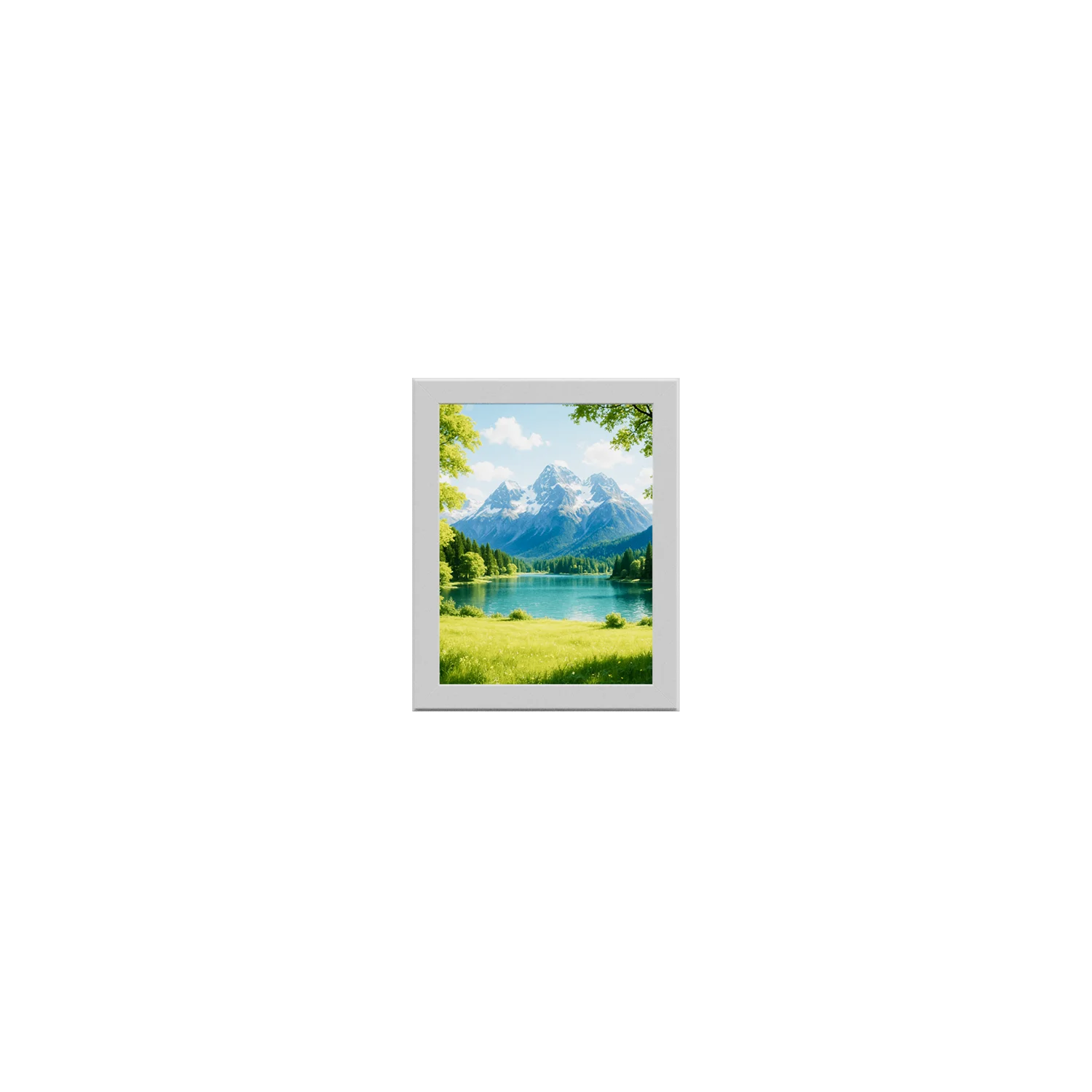
The window with a decorative panel is ideal when you’re looking for a compact, decorative, and well-proportioned faux exterior view.

However, if the available wall space is larger, the viewing distance is greater, or the room calls for a more striking design, it may be better to use a larger format.

In such cases, it is advisable to consider:

  • Window with a graphic, if you’re looking for a wider horizontal opening;
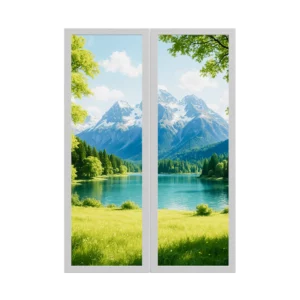
  • Double window with graphic design, for when a more striking horizontal opening is needed;
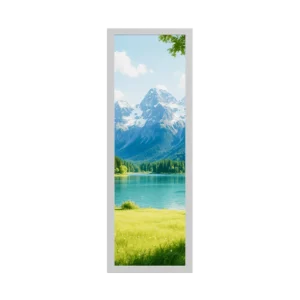
  • Balcony with a graphic design, for when a more understated vertical opening is desired;
  • Double balcony with graphics, for when a greater vertical presence is needed.

Choosing the right format ensures that the faux window appears proportionate, integrated, and consistent with the space.

More info about...

Find answers to more questions in these articles

0
0
Cart
Empty cartReturn to shop