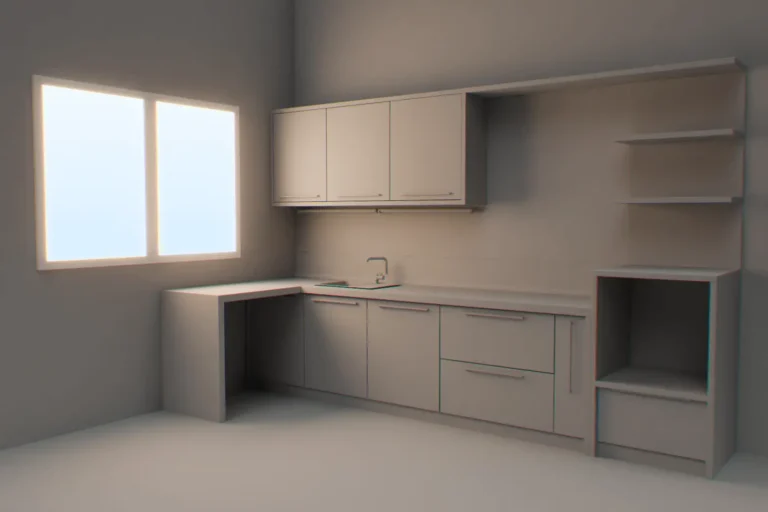
Where to Install a Hot-Cold Window with Natural Light
A compact, adjustable opening requires proportion and a clear purpose
The Solar-Powered Hot-Cold Window should not be chosen solely for its light output or its compact size.
When installing it, you should consider whether the space requires a contained, clean, and proportionate recessed opening, with the ability to adjust both the intensity and color temperature of the light.
Not every interior needs a large window, a balcony, or a statement piece. In small areas, on small walls, or in spaces where a specific source of light is desired, the Warm-Cool Window with Solar Lighting allows you to create a more natural visual focal point without taking center stage.

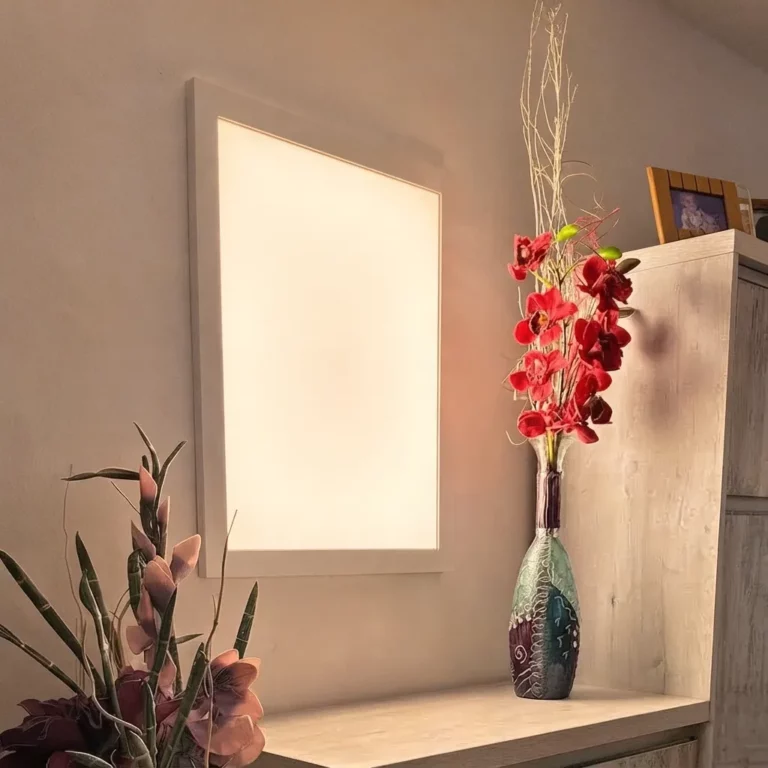
Like the Solar Window, it features full-spectrum light and brightness control via an app or remote control. The difference is that this model also allows you to adjust the color temperature and program gradual changes in lighting throughout the day.
The key is to install it where its proportions add real value: small interior walls, hallways, entryways, consultation rooms, compact waiting rooms, bedrooms, corners without natural light, or spaces where an adaptable faux skylight makes sense.

Do you have an interior wall where you can install a compact window that lets in sunlight and has programmable white light?
Customize your Hot-Cold Window with solar lighting and choose the finish, additional controls, and accessories to suit your project’s needs.
-
Single-Pane Hot-Cold Window
From 639,87 € VAT exc.
Interior walls and specific areas
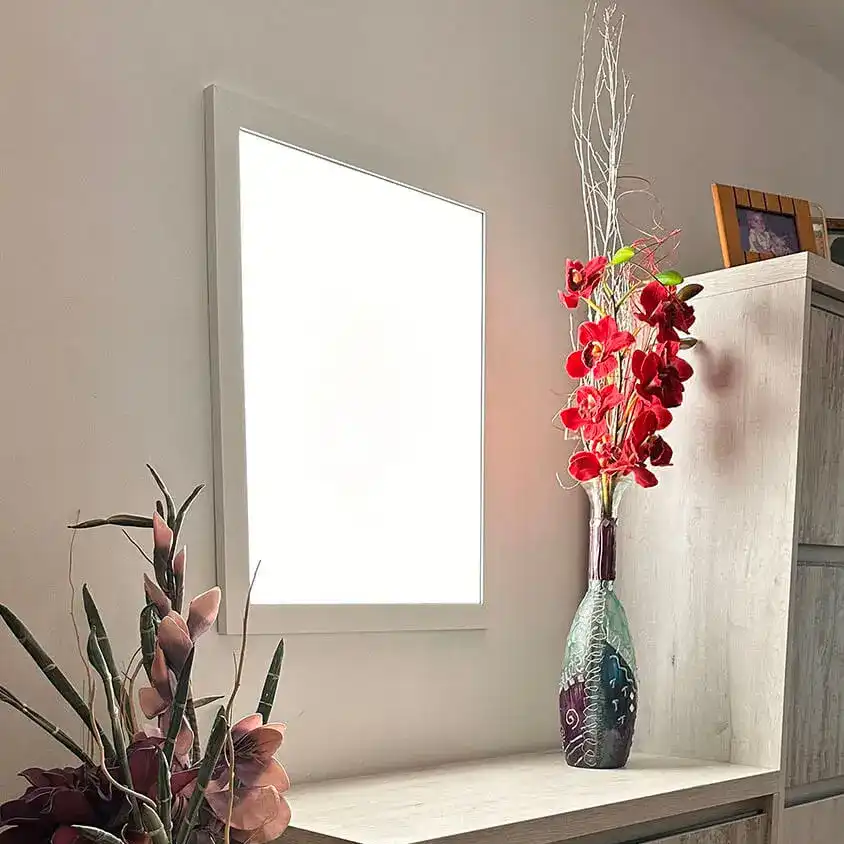
One of the best locations for a hot-cold window with natural light is a clean interior wall that has no actual opening to the outside and enough space to install a compact unit.
On these types of surfaces, the window can serve as a simulated visual opening. Its design helps break up the feeling of a solid wall without requiring a large-scale renovation.
It is especially recommended when you are looking for:
- Transforming a Small Interior Wall
- Create a false visual exit to the outside
- Create a sense of openness without taking up too much space
- Enhance brightness
- Improving the Perception of Comfort
- Integrating a lighting solution with architectural design
- Provide sunlight with an adjustable color temperature
- Schedule progressive lighting scenes throughout the day
Rather than being treated as just another decorative light fixture, the Solar-Powered Hot-Cold Window should be viewed as a small opening integrated into the interior architecture.
Areas Where a "Hot-Cold" Window Is Feasible
The Hot-Cold Window with Natural Light is most effective in spaces where a compact visual opening is consistent with the scale, proportion, and use of the room.
It is not intended for large walls or prominent main surfaces, but rather for areas where a compact window can blend naturally into the space.
It’s especially suitable for:
- Individual Consultations
- Small Offices
- Compact waiting rooms
- Hallways and Corridors
- Interior Rooms
- Temporary rest areas
- Smaller-scale wellness spaces
- Homes with interior walls that don’t face the outside or receive little natural light
- Commercial or contract spaces where a clean, adaptable lighting solution without graphics is desired
In spaces where a wider opening is desired, it may be more appropriate to use formats such as a Hot-Cold window, a double Hot-Cold window, a Hot-Cold balcony window, or a double Hot-Cold balcony window.
Choose the location based on the actual use of the space
In this version, the placement depends not only on the available wall space. It’s also important to consider whether the space requires adjusting the color temperature in addition to regulating the brightness.
The Hot-Cold feature is most useful in spaces where the environment can change depending on the moment, the time of day, or the activity.
It can be especially useful in:
- Waiting areas where lighting should contribute to a more serene experience
- Small offices or practices with varying usage patterns
- Interior rooms where adaptable lighting is desired
- Smaller-scale wellness spaces
- Rest or reading areas
- Homes with little natural light
- Contract spaces where flexibility is needed without resorting to decorative graphics
- Interiors designed to visually reflect the passage of the day
The main consideration is determining whether the project also needs to adjust the color temperature or whether a dimmable Solar Window would suffice.
Lighting Design as a Criterion for Integration
App-based scheduling provides greater value in indoor spaces where people spend extended periods of time or where lighting needs to adapt to different times of the day.
In these cases, it allows for the gradual adjustment of the intensity and color temperature of the light, reinforcing the relationship between the use of the space, the time of day, and the atmosphere.
It can help create scenes related to:
- Sunrise, with a softer, more gradual light
- Daylight, with greater presence and clarity
- At dusk, with a warmer transition
- Gradual dimming, to gently reduce the brightness
This feature is especially useful when you want to avoid having interior lighting that is always static or constant.
Proportion, Viewing Distance, and Scale
Before choosing a ” Hot-Cold” window with a skylight, it’s a good idea to consider how it will look based on how the space is actually used.
A compact window works best when it is integrated into a well-proportioned wall and when the viewing distance allows it to be perceived as a visual opening, rather than as an isolated or overly small element within a very large surface.
It’s a good idea to review:
- Width and height of the available wall space
- Distance from the observation area
- Relationship with doors, furniture, and finishes
- Installation Height
- Proportion relative to the rest of the space
- The level of prominence the piece should have
- Whether the window will be perceived as the main opening or as part of the surrounding environment
- Whether the space requires an adjustable color temperature or if a Solar version would suffice
The solution should feel integrated and authentic. If the wall needs to make a stronger statement, a wider format may achieve a more appropriate result. If the space has a more vertical feel, a balcony-style display may be more cohesive.
Integration with furniture, paneling, and pathways
For the Solar-Powered Hot-Cold Window to function properly, it must be coordinated with the architectural language of the space.
Its location should complement:
- Plywood
- Cladding
- Fixed furniture
- Rest or waiting areas
- Visual Axes
- Wall Finishes
- User Paths
- Existing ambient lighting
- Other lighting control systems in the project
It is also best to avoid locations where it competes with screens, main signage, displayed products, or prominent graphic elements.
The best integration is achieved when the window appears to be part of the interior architecture rather than a later addition.
When to Choose a Different Format
The Solar-Powered Warm-Cool Window is ideal when you’re looking for a compact, sleek faux opening with a full solar spectrum, adjustable white temperature, and programmable lighting.
However, if the available wall space is larger, the viewing distance is greater, or the room calls for a more striking design, it may be better to use a larger format.
In such cases, it is advisable to consider:
- Hot-Cold Window, if you’re looking for a wider horizontal opening;
- Hot-Cold Double Window, when a more prominent horizontal opening is needed;
- Hot-Cold Balcony, when a more compact vertical opening is desired;
- Hot-Cold Double Balcony Unit, for when a greater vertical presence is needed.
Choosing the right format ensures that the faux window appears proportionate, integrated, and consistent with the space.
If you need to determine whether the Solar-Heated/Cooled Window is the right option, we can assess the available wall space, scale, intended use, furnishings, and your actual need to adjust or program the target temperature.
Ask for advice on choosing the most suitable false window design.
Integration Based on Scale, Usage, and Scheduling
The Solar-Powered Hot-Cold Window works best when the space allows it to be perceived as a compact visual opening and also makes the most of its ability to adjust the temperature of the white light.
Its value lies in combining:
- Contained Scale
- Architectural Proportion
- Balanced light output
- Integration with the wall
- Sunlight
- Intensity regulation
- Adjustable color temperature
- Programming Progressive Scenes
- Adaptation to the actual use of the space
When installed on a suitable wall, a window can enhance the perception of space and adapt to different uses without requiring a large-scale renovation.
When the scale isn’t quite right, a smaller, wider, or taller format can produce a more natural and balanced result.
More info about...
-
Single-Pane Hot-Cold Window
From 639,87 € VAT exc.
Find answers to more questions in these articles
Hot-Cold Window with Natural Light for Interiors Without Natural Light A compact visual aperture with …
Where to Install a Hot-Cold Window with Natural Light A compact, adjustable opening requires proportion …
Solar-Powered Hot-Cold Window vs. Other Fake Windows Choose the appropriate option based on the level …