Are you a professional? B2B Customer Area

Should we talk?

Give us a little time—we don’t use bots.

Monday through Friday
From 9 a.m. to 6 p.m.

How to simulate sunlight indoors without windows

The importance of natural light, even when there are no windows.

Spaces without access to natural light are more common than they seem: indoor offices, basements, waiting rooms, retail or deep areas in homes.

And even if they lack windows, they should not forego quality lighting.

Simulating sunlight indoors is not just a matter of aesthetics: it has a direct impact on well-being, perception of space and productivity.

Can sunlight be simulated?

Yes, but using a white light is not enough.

To achieve a realistic perception it is necessary to reproduce several key factors of the sun:

  • Balanced color temperature (≈ 4700-4800K).
  • High CRI (>98) for color fidelity
  • Low glare level (UGR <16)
  • Homogeneous distribution with no visible spots
  • Continuous spectrum (380-780 nm)

The brain does not distinguish whether light is natural or artificial, but how it behaves spectrally The structure of the spectrum and its peaks modulate brain activity.

The role of the solar spectrum in architecture

Sunlight is composed of multiple wavelengths that affect:

  • Color perception
  • Visual comfort
  • Circadian rhythm or cycle


Therefore, advanced solutions not only illuminate, but also emulate the behavior of the solar spectrum indoors.

This allows:

  • Improving emotional well-being
  • Reduce eyestrain
  • Stabilizing environments without external light

Solutions for simulating indoor sunlight

False windows with sunlight

A fake LED window is a backlit structure that mimics a real window.

But they are not all the same.

👉 Key difference:

SolutionResult
Decorative windowVisual effect only
Window with solar spectrumReal lighting + wellness

Professional solutions incorporate:

  • CRI >98 + Red (R9) +80%.
  • Continuous spectrum + Cyan
  • Low glare and controlled
  • Real feeling of light opening


The result is not decorative: it is functional.

Artificial roofs and skylights

These solutions make it possible to simulate architectural openings without structural work.

Generating a perception of natural light even in completely enclosed spaces.

Integration in ceilings:

  • Luminous false ceilings
  • Artificial skylights
  • Backlit skies

Used in:

  • Offices
  • Hospitals
  • Hotels
  • Retail
  • Basements

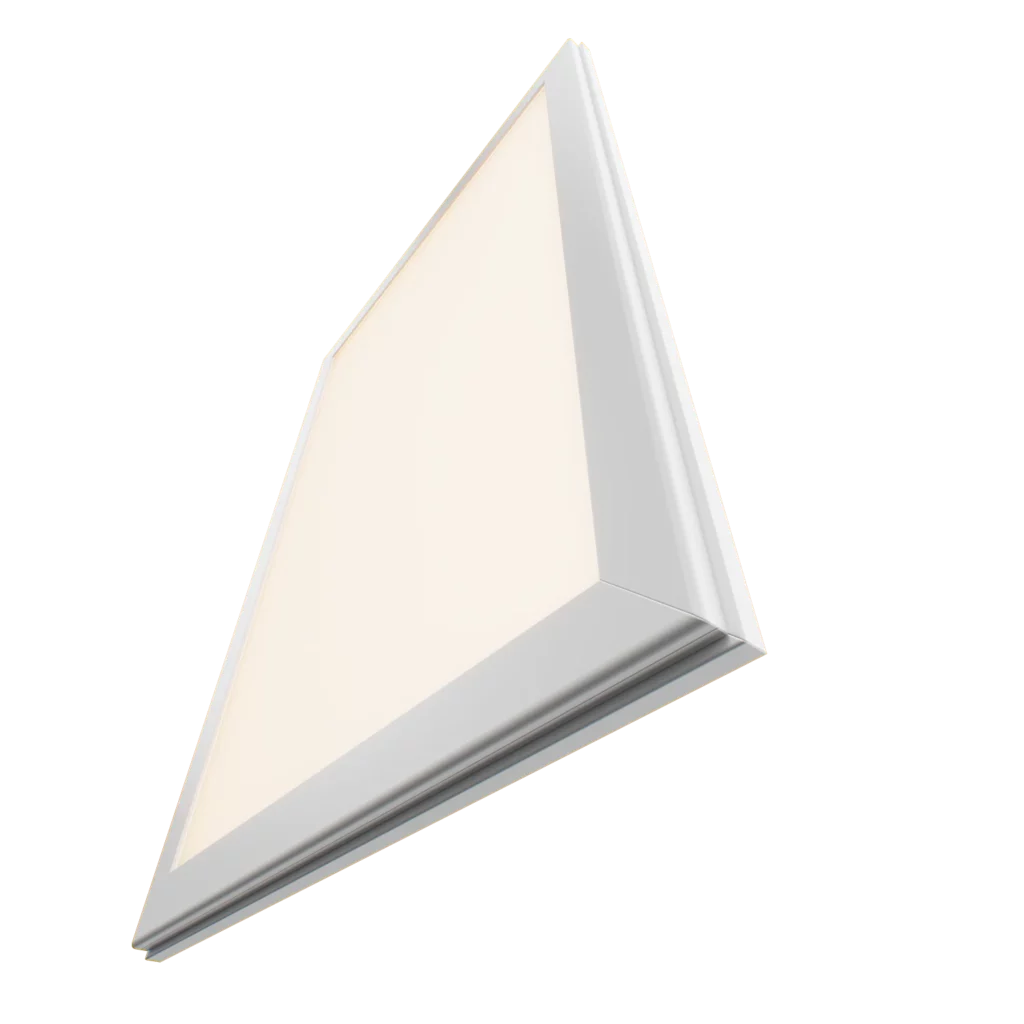
LED panels with solar spectrum

In some cases, they are combined with dynamic systems that adapt the light to the circadian rhythm.

Optical panels make it possible to integrate artificial sunlight into:

  • Furniture
  • Walls
  • Light boxes
  • Displays

Key features:

  • Homogeneous light
  • No visible LED dots
  • Spectrum control
  • Architectural integration

False windows
decoration or real lighting?

This is the key question.

The difference is in the quality of the light:

Decorative solutions
(decorative lighting)
Professional solutions
(professional lighting)
Simple white lightBiomimetic solar spectrum
Low CRIHigh CRI ≥98%.
No spectral controlPerception of visual comfort
Artificial effectImpact on welfare

Not all false windows illuminate, they usually only decorate.

Real applications

Interior offices

Improved concentration and reduction of visual fatigue.

Retail

Better product perception and longer shelf life

Hospitals and clinics

More humane and less stressful environments

Hotels

A feeling of spaciousness in windowless spaces

Housing

Transformation of interior areas into more livable spaces

Real results simulating sunlight

In real projects it has been observed:

  • +17% productivity in windowless offices
  • Reduced visual fatigue
  • Better perception of space


In retail:

  • Increased dwell time in front of the product

Simulating sunlight indoors is no longer an aesthetic choice, but a technical necessity.

The key is not to light more, but to light better:

  • With adequate spectrum
  • With visual control
  • With architectural integration

False windows, luminous ceilings and LED panels make it possible to recreate the presence of the sun without the need for real openings.

And when the technology is well applied, the result is not perceived as artificial.

It is perceived as natural light.

Share article:
0
0
Cart
Empty cartReturn to shop